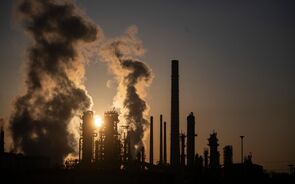


Higher gasoline price seen trimming down Americans
7 mensagens
|Página 1 de 1


Higher gasoline price seen trimming down Americans
Higher gasoline price seen trimming down Americans
Tue Sep 11, 2007 4:43PM ED
NEW YORK (Reuters) - Higher U.S. gasoline prices may slim more than just wallets, according to a new study from Washington University in St. Louis.
Entitled "A Silver Lining? The Connection between Gas Prices and Obesity," the study found that an additional $1 per gallon in real gasoline prices would reduce U.S. obesity by 15 percent after five years.
The report, written by Charles Courtemanche for his doctoral dissertation in health economics, found that the 13 percent rise in obesity between 1979 and 2004 can be attributed to falling pump prices.
Gasoline hit a low of less than $1.50 per gallon in 2000 before moving back to a record high of $3.22 in May 2007.
Higher gasoline prices can reduce obesity by leading people to walk or cycle instead of drive and eat leaner at home instead of rich food at restaurants.
Courtemanche said he became interested in the link after rising gasoline prices made him think about eschewing his car for public transport.
"I was pumping gas one day, thinking with gas prices so high I may have to take the Metro," he said, referring to the public transportation system serving the St. Louis area.
Courtemanche said he figured he would get an extra 30 minutes of exercise per day by walking to and from the Metro station.
Obesity, defined as having a body mass index greater than 30, has been considered to factor in as many as 112,000 deaths annually.
U.S. health costs related to obesity are estimated at $117 billion per year as studies sponsored by the U.S. government have linked it with high blood pressure, diabetes, heart disease and stroke.
-

- Mensagens: 3299
- Registado: 8/2/2006 17:32
7 mensagens
|Página 1 de 1
Quem está ligado:
Utilizadores a ver este Fórum: Bing [Bot], Dragon56 e 97 visitantes